Learn
Lab-grown diamonds
Diamonds grown above ground. Here's what that means — and what it doesn't.
What is a lab-grown diamond?
A lab-grown diamond is carbon crystallized into the diamond structure under controlled conditions, by one of two methods: high pressure, high temperature (HPHT), which recreates the conditions deep in the earth, or chemical vapor deposition (CVD), which builds the crystal layer by layer. The result is a diamond — not a simulant like cubic zirconia or moissanite.
Lab-grown vs. mined
- Chemistry and hardness: identical — pure carbon, 10 on the Mohs scale.
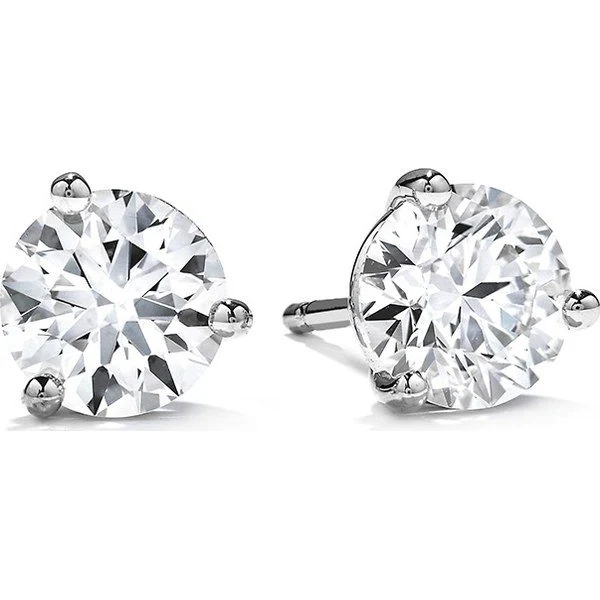
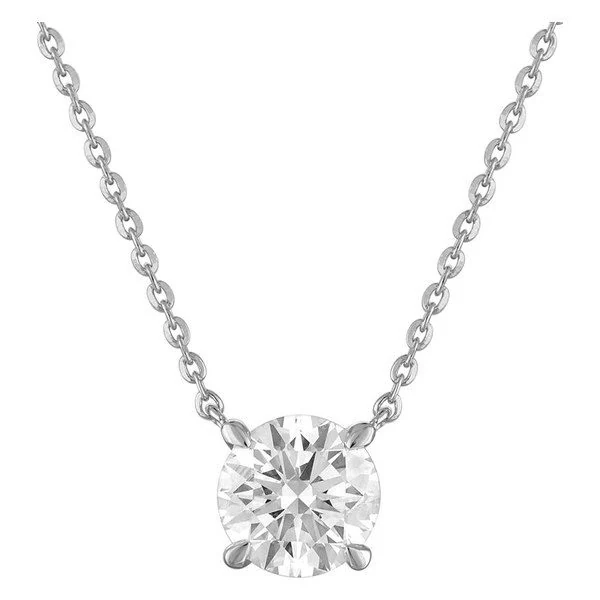
- Appearance: the same brilliance and fire. Telling them apart takes specialized lab equipment.
- Grading: graded on the same 4Cs — cut, color, clarity and carat weight.
- Price: lab-grown diamonds are generally priced well below mined diamonds of similar size and quality.
- Disclosure: we always describe our diamonds as laboratory-grown. Where a stone has a grading report, the report identifies it as laboratory-grown.
The 4Cs, briefly
Cut decides how a diamond returns light — it matters most for sparkle. Color runs from D (colorless) downward; most people can't see a difference within the near-colorless range. Clarity describes tiny internal features; “eye-clean” stones show none to the naked eye. Carat is weight, not size — shape and cut change how large a stone looks.
Total carat weight (CTW)
When a design lists “2 CTW”, that is the combined weight of all the diamonds in the piece, not the center stone alone. Weights are approximate.
Questions about a specific stone? Ask us — we're happy to share grading details.
Where to begin
Shop all